About the trek
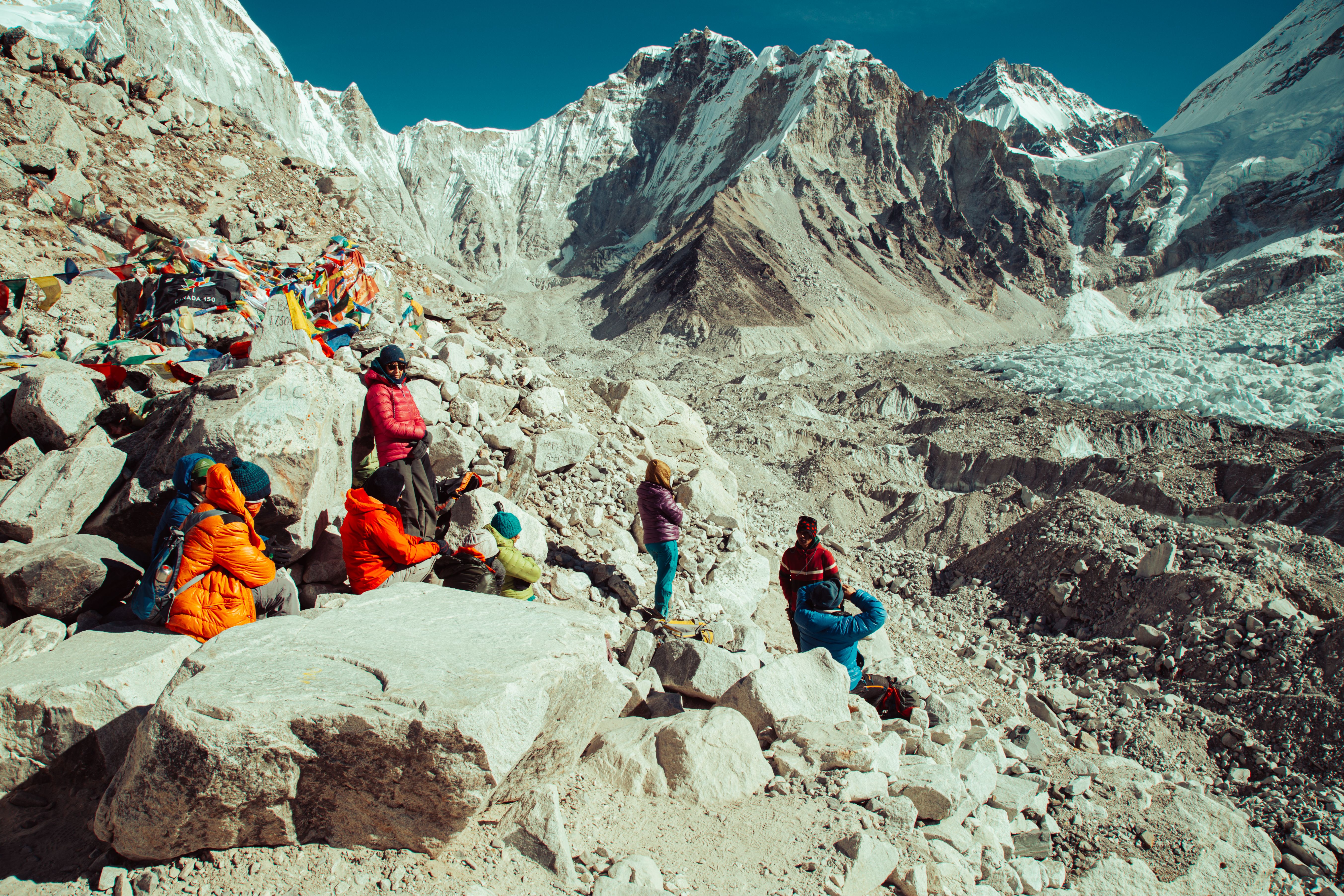
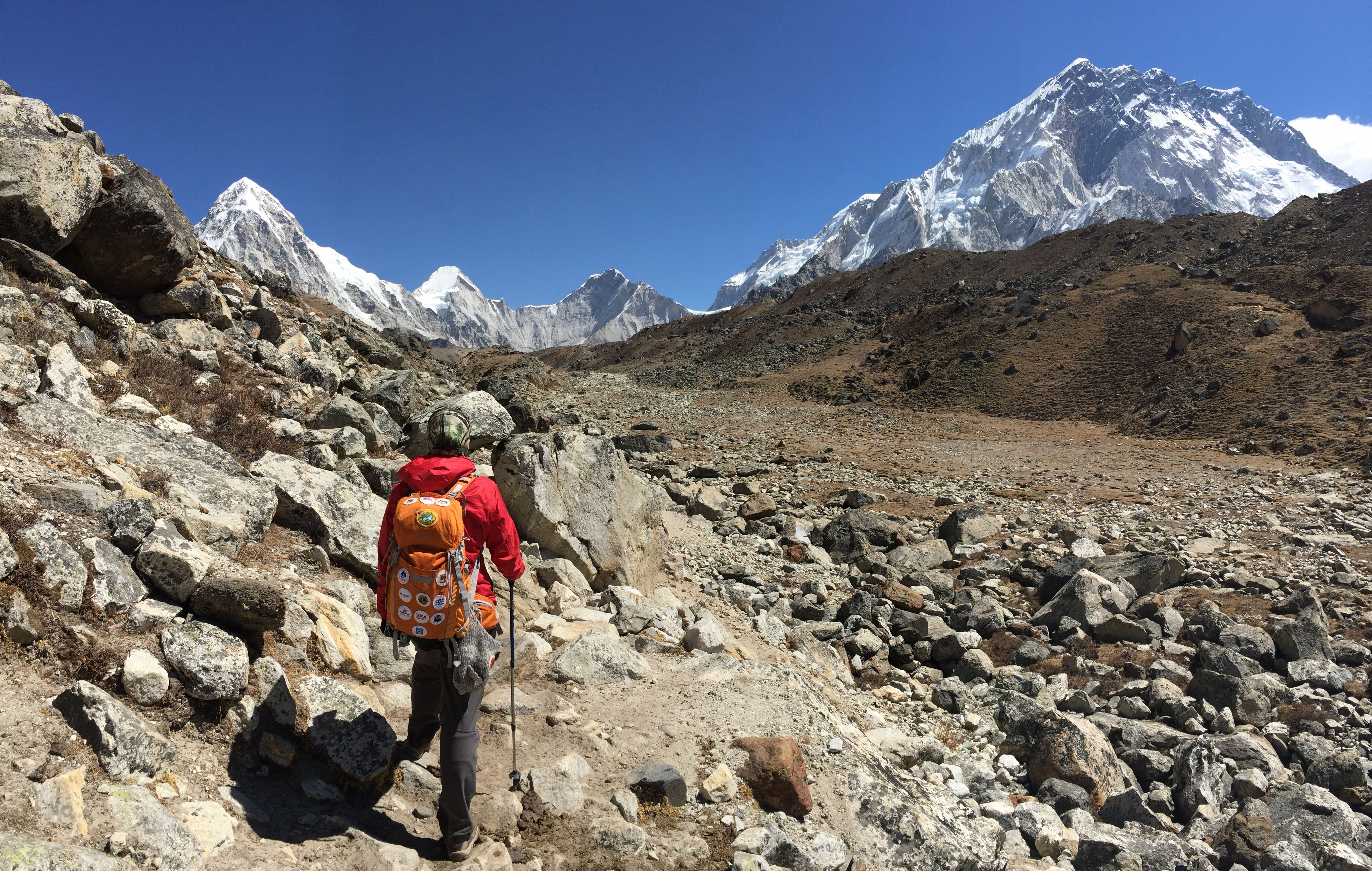
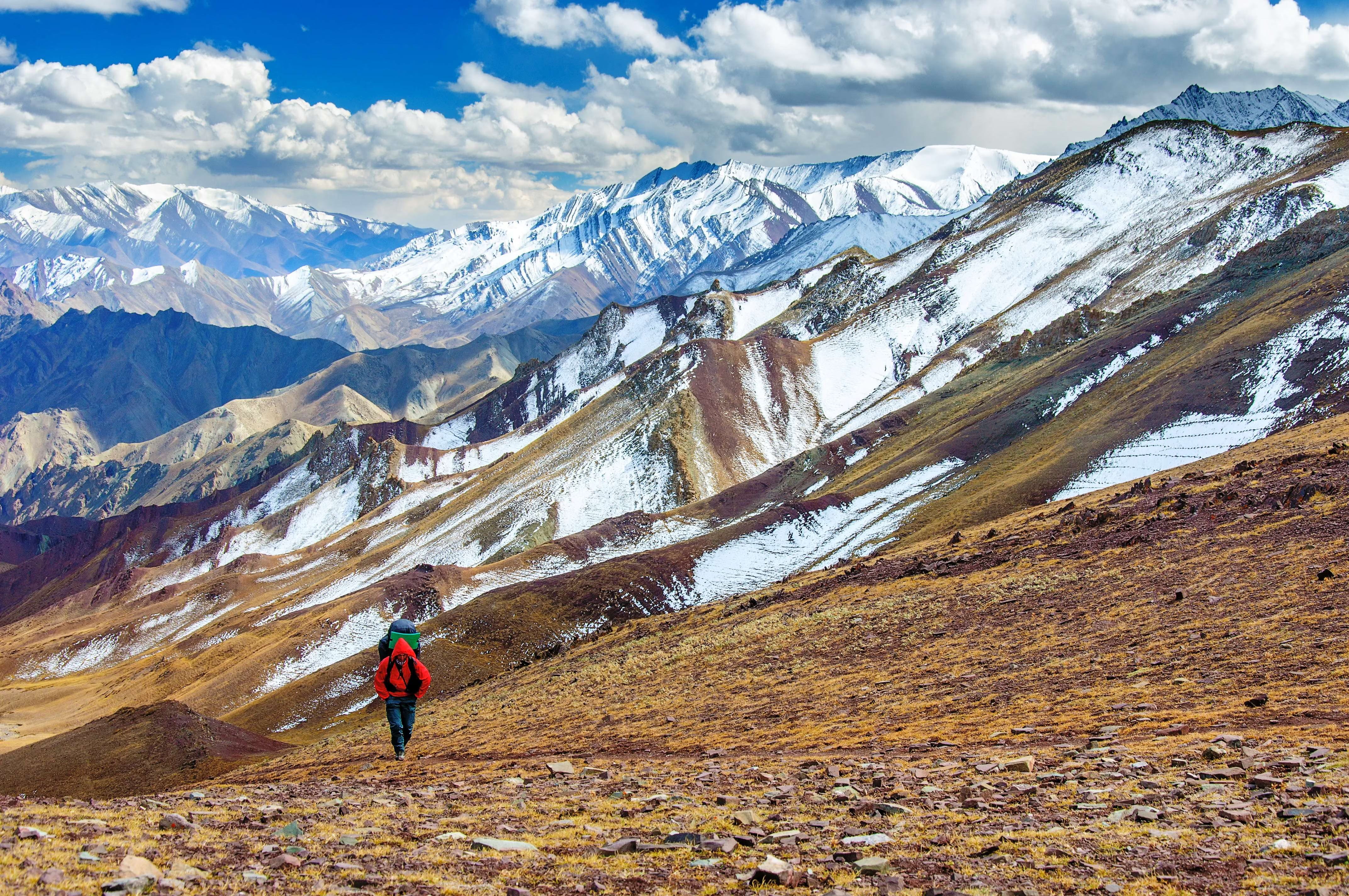
Imagine standing at the foot of the world's tallest peak, the wind whispering tales of conquest and the sky a boundless canvas of blue. The Everest Base Camp Trek is not just a journey; it's an odyssey through the heart of the Himalayas. As you traverse the Khumbu Valley, the air grows thinner, the terrain steeper, and the sense of achievement more palpable. You'll pass through Sherpa villages, each a tapestry of culture and resilience, and stand in awe at Tengboche Monastery, perched precariously yet majestically against the skyline. The Khumbu Icefall is a labyrinth of shifting ice, a testament to nature's raw power. This trek is for those who seek not just a destination, but a transformation. It's a challenge that pushes your limits, redefines your boundaries, and leaves you forever changed.
Key Facts
Why Trekkers Love It
- 01Walking in the footsteps of legends like Hillary and Tenzing, retracing their historic route to the base of Mount Everest.
- 02Encountering the world's highest monastery at Tengboche, a spiritual and cultural beacon in the Himalayas.
- 03Navigating the treacherous Khumbu Icefall, a dynamic and ever-changing glacier that demands respect and caution.
- 04Immersing in Sherpa culture, staying in traditional villages, and understanding the lives of the people who call this region home.
More Photos
Photo Gallery
2 photosDay by Day
The Route
Route & Itinerary
Lukla
🚩 Starting Point
Namche Bazaar
Waypoint 1
Tengboche
Waypoint 2
Dingboche
Waypoint 3
Lobuche
Waypoint 4
Gorak Shep
Waypoint 5
Everest Base Camp
Waypoint 6
Kala Patthar
🏁 End Point
Altitude
Elevation Profile
Lukla
2,860m
Namche Bazaar
3,440m
Tengboche
3,867m
Dingboche
4,360m
Lobuche
4,940m
Gorak Shep
5,160m
Everest Base Camp
5,364m
Kala Patthar
5,545m
Start
2,860m
Peak
5,545m
Total Gain
+2,685m
When to Go
Monthly Climate Guide
Best months to trek: Mar, Apr, May, Oct, Nov. Avoid Jun, Jul, Aug — heavy rainfall makes trails risky.
Mar
BESTOpening
2–15°C
Apr
BESTPleasant
8–20°C
May
BESTBest Season
12–25°C
Sep
NOWPost-Monsoon
10–20°C
Oct
BESTBest Season
5–18°C
Nov
BESTCold
0–12°C
Getting There
How to Reach
Nearest Airport
Tribhuvan International Airport, Kathmandu, 130km
Nearest Railway
Raxaul Railway Station, 250km
Flight to Kathmandu (₹10,000) + road/bus to Lukla (₹3,000), 3 hours flight + 6 hours road
Train to Gorakhpur + road to Kathmandu (₹3,000) + road/bus to Lukla (₹3,000), 24 hours train + 6 hours road
Direct bus/car to Kathmandu (₹5,000), 36 hours
Flight to Kathmandu (₹12,000) + road/bus to Lukla (₹3,000), 3 hours flight + 6 hours road
Train to Gorakhpur + road to Kathmandu (₹4,000) + road/bus to Lukla (₹3,000), 30 hours train + 6 hours road
Direct bus/car to Kathmandu (₹7,000), 40 hours
Flight to Kathmandu (₹15,000) + road/bus to Lukla (₹3,000), 3 hours flight + 6 hours road
Train to Gorakhpur + road to Kathmandu (₹5,000) + road/bus to Lukla (₹3,000), 36 hours train + 6 hours road
Direct bus/car to Kathmandu (₹9,000), 45 hours
Last Mile to Base Camp
Shared jeep or local bus from Lukla to Phakding (₹1,000), 1 hour
Pro tip: Ensure you have a TIMS card and necessary permits before starting the trek.
Costs
Budget Breakdown
Trek costs ₹30,000–₹70,000 depending on your style and whether you hire a guide
Mid-Range Trek
Guide + porter, comfortable guesthouses
per day
₹3,214 – ₹4,286 per day
Prices are estimates for 2025–26. Costs vary by season and group size.
Preparation
Pack & Stay Safe
What to Pack
gear
- Sturdy trekking boots
- Gaiters
- Trekking poles
- Sleeping bag -20°C
- 60L backpack
clothing
- Down jacket (-20°C)
- Thermal base layers
- Fleece mid-layer
- Waterproof hardshell
- Balaclava
- Insulated gloves
essentials
- Diamox
- Travel insurance with helicopter evacuation
- Down sleeping bag liner
- Water purifier
Safety Tips
- 1Acclimatize properly with rest days at Namche and Dingboche
- 2Helicopter evacuation is common — get comprehensive insurance
- 3Never skip acclimatization days even if you feel fine
- 4HACE and HAPE are life-threatening — descend immediately at symptoms
Permit & Entry Info
Sagarmatha National Park entry permit: USD 30/person. TIMS card: USD 20. Fly Kathmandu-Lukla (~$200-250 each way).
Emergency Contacts
CIWEC Clinic Namche
Lukla Airport Control
Common Questions
Frequently Asked Questions
The Everest Base Camp Trek is classified as challenging. It involves daily treks of 6-8 hours, with significant altitude gain, especially in the latter half of the trek. The terrain varies from gentle slopes to steep ascents, and the highest altitude reached is 5364m at Gokyo Ri.
The best months for the Everest Base Camp Trek are March to May and September to November. These periods offer stable weather, clear skies, and the best views of the Himalayas. The rhododendrons bloom in spring, adding a splash of color to the trek.
The cost of the Everest Base Camp Trek can range from ₹30,000 to ₹70,000, depending on your style of travel, accommodation choices, and whether you hire a guide and porter. This includes transport, food, permits, and guide fees.
Yes, a permit is required for the Everest Base Camp Trek. The Sagarmatha National Park entry permit costs around ₹3,000 and the TIMS (Trekkers' Information Management System) card costs about ₹1,500. These can be obtained in Kathmandu.
The Everest Base Camp Trek is not recommended for absolute beginners due to its challenging nature, high altitude, and demanding terrain. However, with proper training and preparation, trekkers with some experience can successfully complete the trek.
The maximum altitude of the Everest Base Camp Trek is 5364m at Gokyo Ri. Altitude sickness is a risk, especially above 3000m. It's crucial to ascend gradually, stay hydrated, and be aware of the symptoms of Acute Mountain Sickness (AMS).
Essential items include a good quality backpack, layered clothing (including thermal and waterproof), trekking poles, a sleeping bag rated for -15°C, a water filter or purification tablets, a first aid kit, and a headlamp.
The nearest city to the Everest Base Camp Trek is Kathmandu, Nepal. From Kathmandu, you can take a domestic flight to Lukla, the gateway to the trek, which is about a 30-minute flight. From Lukla, the trek to Everest Base Camp takes about 7-8 days.
The total distance of the Everest Base Camp Trek is approximately 130km round trip. The daily trek distances vary, typically ranging from 5km to 10km, with some longer days.
While it's possible to trek to Everest Base Camp without a guide, it's highly recommended to hire one, especially for first-timers. Guides provide valuable knowledge about the trail, local culture, and safety, and can greatly enhance your trekking experience.
During the best trekking months (March-May, September-November), daytime temperatures in the lower regions can range from 10°C to 20°C, while at higher altitudes, they can drop to -10°C at night. It's important to be prepared for cold temperatures, especially at night.
Mobile network coverage is limited and unreliable beyond Namche Bazaar. There are no ATMs at the base camp. It's advisable to carry enough cash for expenses along the trek, as there are few opportunities to withdraw money.
Have more questions? Use the AI planner above for personalised answers.
Similar Treks You Might Like
More adventures with similar difficulty and terrain


Planning Everest Base Camp Trek?