About the trek
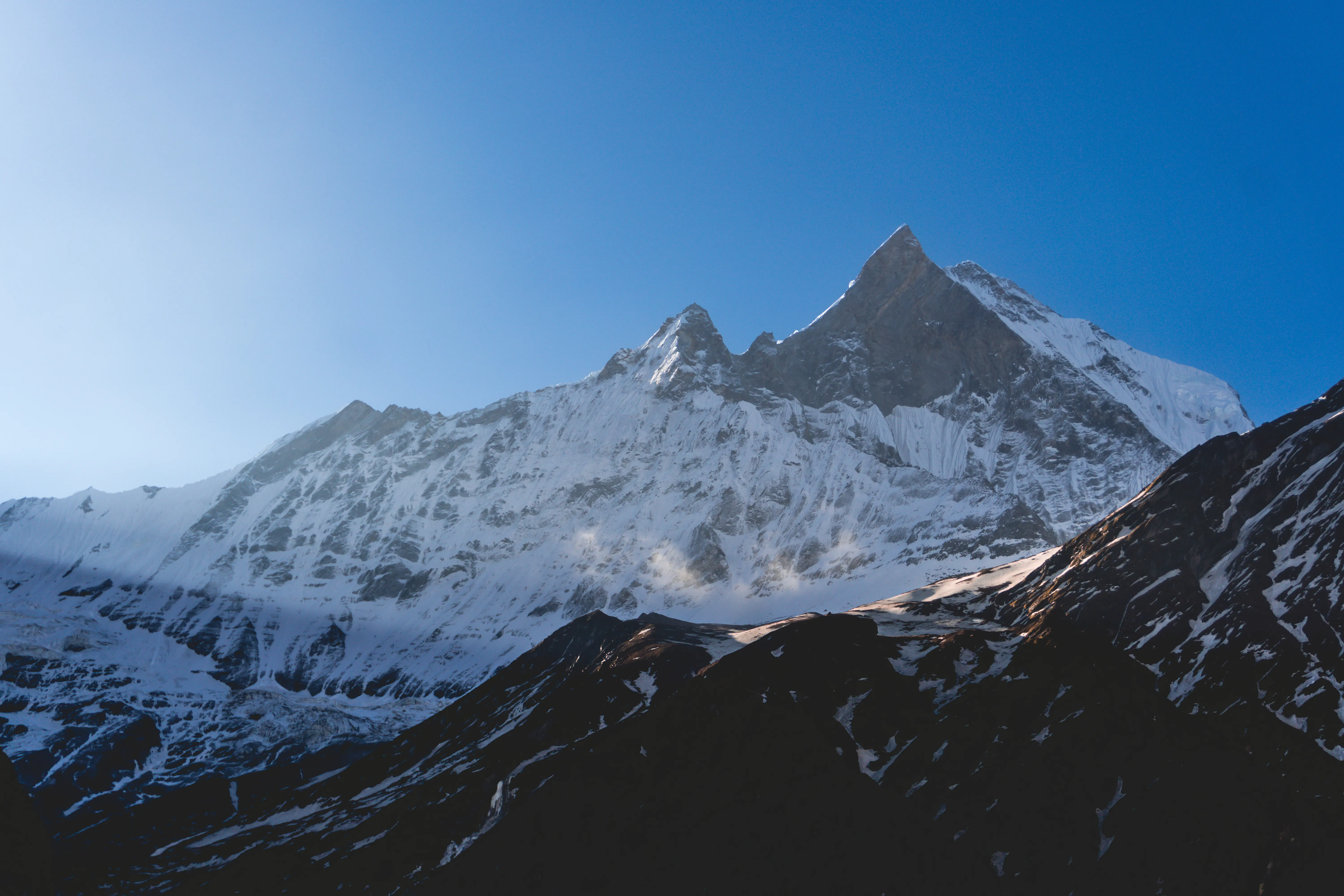
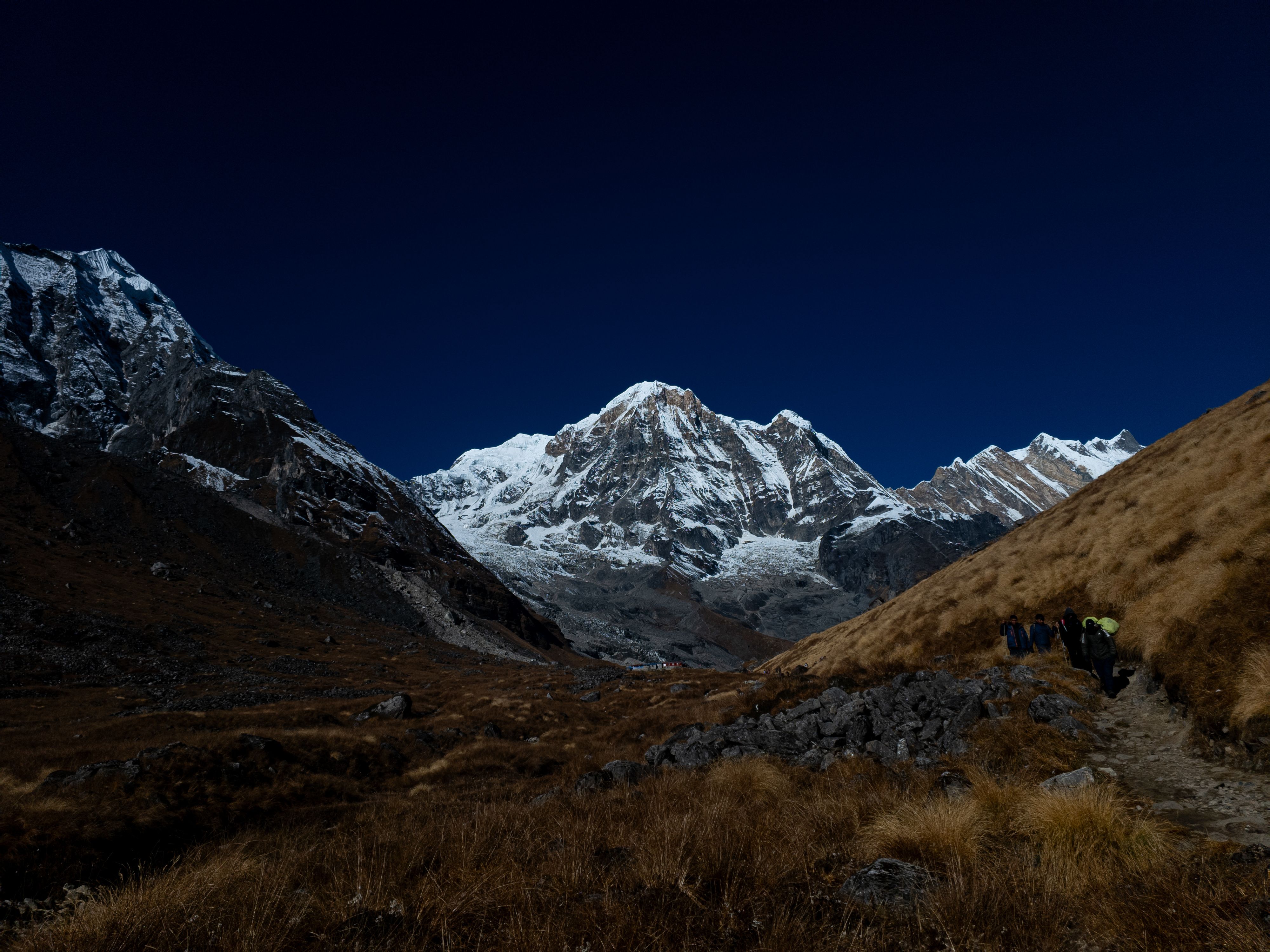
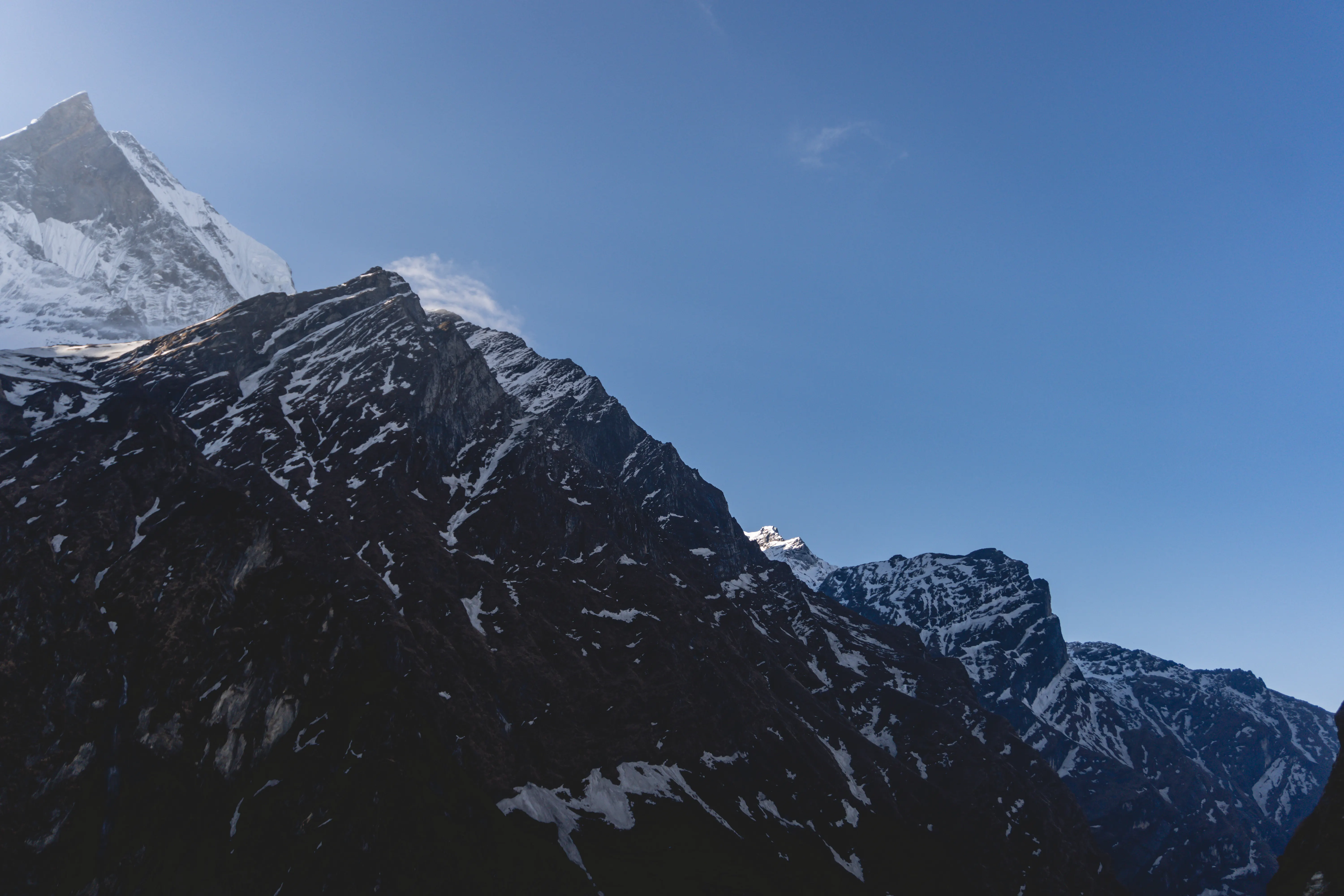
Imagine waking up to a world draped in a pristine white blanket, the crisp air biting at your cheeks as you step out of your tent. The Annapurna Base Camp Trek is not just a journey through one of the most breathtaking landscapes on Earth; it's an immersive experience in a winter wonderland. As you ascend through terraced rice paddies, the early morning mist clings to the ground, creating an ethereal atmosphere. The trail winds through rhododendron forests, where the snow-laden branches creak under their frosty burden. You'll traverse Gurung villages, their rooftops dusted with snow, offering a glimpse into a culture that thrives in harmony with this alpine environment. The crescendo of your journey is the Annapurna Sanctuary, a high glacier bowl encircled by a horseshoe of peaks soaring above 7000 meters, with the colossal Annapurna I (8091 meters) standing sentinel directly overhead. This trek is for those who seek not just a challenge, but a deep, soulful connection with the mountains. It demands a certain resilience, both physically and emotionally, as you push through the elements. Yet, the rewards are unparalleled—crystal-clear skies, the serene beauty of frozen lakes, and the unparalleled thrill of snow camping under the watchful eyes of some of the highest peaks in the world.
Key Facts
Why Trekkers Love It
- 01Experience the majesty of Annapurna I, one of the world's highest mountains, towering directly above you.
- 02Trek through the Annapurna Sanctuary, a glacial amphitheater encircled by peaks over 7000 meters.
- 03Immerse yourself in the winter landscape with snow-covered trails, frozen lakes, and the possibility of snow camping.
- 04Encounter the warm hospitality of Gurung villages, their way of life intricately woven with the rhythms of the mountains.
More Photos
Photo Gallery
5 photosDay by Day
The Route
Route & Itinerary
Nayapul
🚩 Starting Point
Ghandruk
Waypoint 1
Chomrong
Waypoint 2
Dovan
Waypoint 3
Annapurna Base Camp
🏁 End Point
Altitude
Elevation Profile
Nayapul
1,070m
Ghandruk
1,940m
Chomrong
2,170m
Dovan
2,520m
Annapurna Base Camp
4,130m
Start
1,070m
Peak
4,130m
Total Gain
+3,060m
When to Go
Monthly Climate Guide
Best months to trek: Mar, Apr, May, Oct, Nov. Avoid Jun, Jul, Aug — heavy rainfall makes trails risky.
Mar
BESTOpening
2–15°C
Apr
BESTPleasant
8–20°C
May
BESTBest Season
12–25°C
Sep
NOWPost-Monsoon
10–20°C
Oct
BESTBest Season
5–18°C
Nov
BESTCold
0–12°C
Getting There
How to Reach
Nearest Airport
Pokhara Airport, Pokhara, 120 km
Nearest Railway
No direct railway, nearest is in Kathmandu
Flight to Kathmandu (3 hrs) + bus/taxi to Pokhara (200 km, 6 hrs), estimated cost ₹10,000
Train to Gorakhpur (18 hrs) + bus to Sunauli border (100 km, 3 hrs) + bus to Pokhara (200 km, 6 hrs), estimated cost ₹5,000
Direct bus to Kathmandu (36 hrs) + bus/taxi to Pokhara (200 km, 6 hrs), estimated cost ₹3,000
Flight to Kathmandu (3 hrs) + bus/taxi to Pokhara (200 km, 6 hrs), estimated cost ₹12,000
Train to Gorakhpur (30 hrs) + bus to Sunauli border (100 km, 3 hrs) + bus to Pokhara (200 km, 6 hrs), estimated cost ₹6,000
Direct bus to Kathmandu (48 hrs) + bus/taxi to Pokhara (200 km, 6 hrs), estimated cost ₹4,000
Flight to Kathmandu (3 hrs) + bus/taxi to Pokhara (200 km, 6 hrs), estimated cost ₹15,000
Train to Gorakhpur (36 hrs) + bus to Sunauli border (100 km, 3 hrs) + bus to Pokhara (200 km, 6 hrs), estimated cost ₹7,000
Direct bus to Kathmandu (60 hrs) + bus/taxi to Pokhara (200 km, 6 hrs), estimated cost ₹5,000
Last Mile to Base Camp
Shared jeep or local bus from Pokhara to Nayapul (7 km, 1 hr), followed by a trek-in to the base camp.
Pro tip: Book your transport and accommodations in advance, especially during peak season.
Costs
Budget Breakdown
Trek costs ₹20,000–₹40,000 depending on your style and whether you hire a guide.
Mid-Range Trek
Guide + porter, comfortable guesthouses
per day
₹2,800 – ₹3,900 per day
Prices are estimates for 2025–26. Costs vary by season and group size.
Preparation
Pack & Stay Safe
What to Pack
gear
- Waterproof boots
- Trekking poles
- Sleeping bag -10°C
- Backpack 45L
clothing
- Down jacket
- Fleece
- Waterproof jacket
- Trekking pants
- Thermal layers
essentials
- Water purifier
- Altitude meds
- ACAP permit
- Travel insurance
Safety Tips
- 1Avalanche risk in the Modi Khola gorge section — avoid Dec-Feb
- 2Leeches common in monsoon — wear gaiters and carry salt
Permit & Entry Info
ACAP permit: NPR 3,000. TIMS card: USD 20. Both available in Pokhara.
Emergency Contacts
Chomrong Health Post
Common Questions
Frequently Asked Questions
The Annapurna Base Camp Trek is rated as moderate in difficulty. It involves daily treks of 4-6 hours with an average altitude gain of 300-500 meters per day. The terrain is varied, with both ascents and descents, and the highest altitude reached is 4130 meters.
The best months to undertake the Annapurna Base Camp Trek are March, April, May, October, and November. These months offer stable weather conditions, clear skies, and the landscape is either in full bloom or draped in a light dusting of snow, enhancing the trek's beauty.
The cost of the Annapurna Base Camp Trek can range from ₹20,000 to ₹40,000, depending on your chosen style (budget, mid-range, or comfortable), transport, food, permits, and whether you hire a guide or porter.
Yes, a permit is required for the Annapurna Base Camp Trek. The permit, known as the Annapurna Conservation Area Permit (ACAP), costs around ₹2,000 and can be obtained in Kathmandu or Pokhara.
While the Annapurna Base Camp Trek is rated as moderate, it is suitable for beginners with a reasonable level of fitness. However, it's important to be prepared for altitude, varying terrain, and weather conditions.
The maximum altitude of the Annapurna Base Camp Trek is 4130 meters. Altitude sickness is a possibility, especially above 3000 meters. It's crucial to acclimatize properly and listen to your body.
Essential items include layered clothing, a waterproof jacket, sturdy trekking boots, a sleeping bag rated for 0°C, a hydration system, snacks, and a first aid kit. Don't forget your ACAP permit and identification.
The nearest city to the Annapurna Base Camp Trek is Pokhara, approximately 120 km from the trek's starting point. From Pokhara, you can take a local bus or hire a taxi to Nayapul, the trek's starting point.
The total distance of the Annapurna Base Camp Trek is approximately 75 km, with daily treks ranging from 4 to 7 km.
While it's possible to trek without a guide, it's highly recommended to hire one for safety, navigation, and to enrich your experience with local insights and knowledge.
During the peak trekking months (March-May, October-November), daytime temperatures range from 10°C to 20°C, while night temperatures can drop to 0°C or below.
Mobile network coverage is limited and unreliable along the trek, especially beyond Ghorepani. There are no ATMs at the base camp, so it's advisable to carry enough cash for expenses.
Have more questions? Use the AI planner above for personalised answers.
Similar Treks You Might Like
More adventures with similar difficulty and terrain
Planning Annapurna Base Camp Trek?