
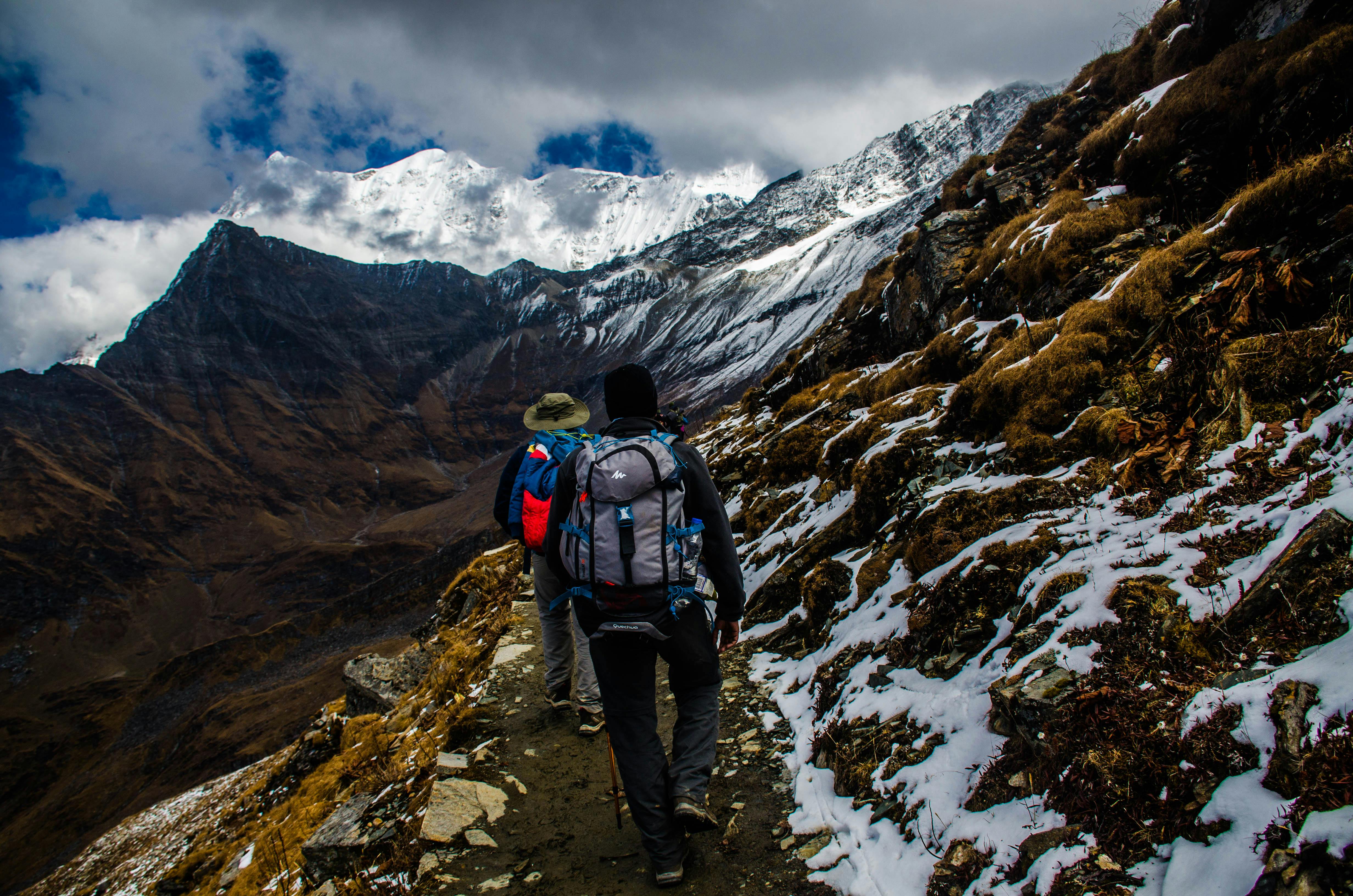

About the trek
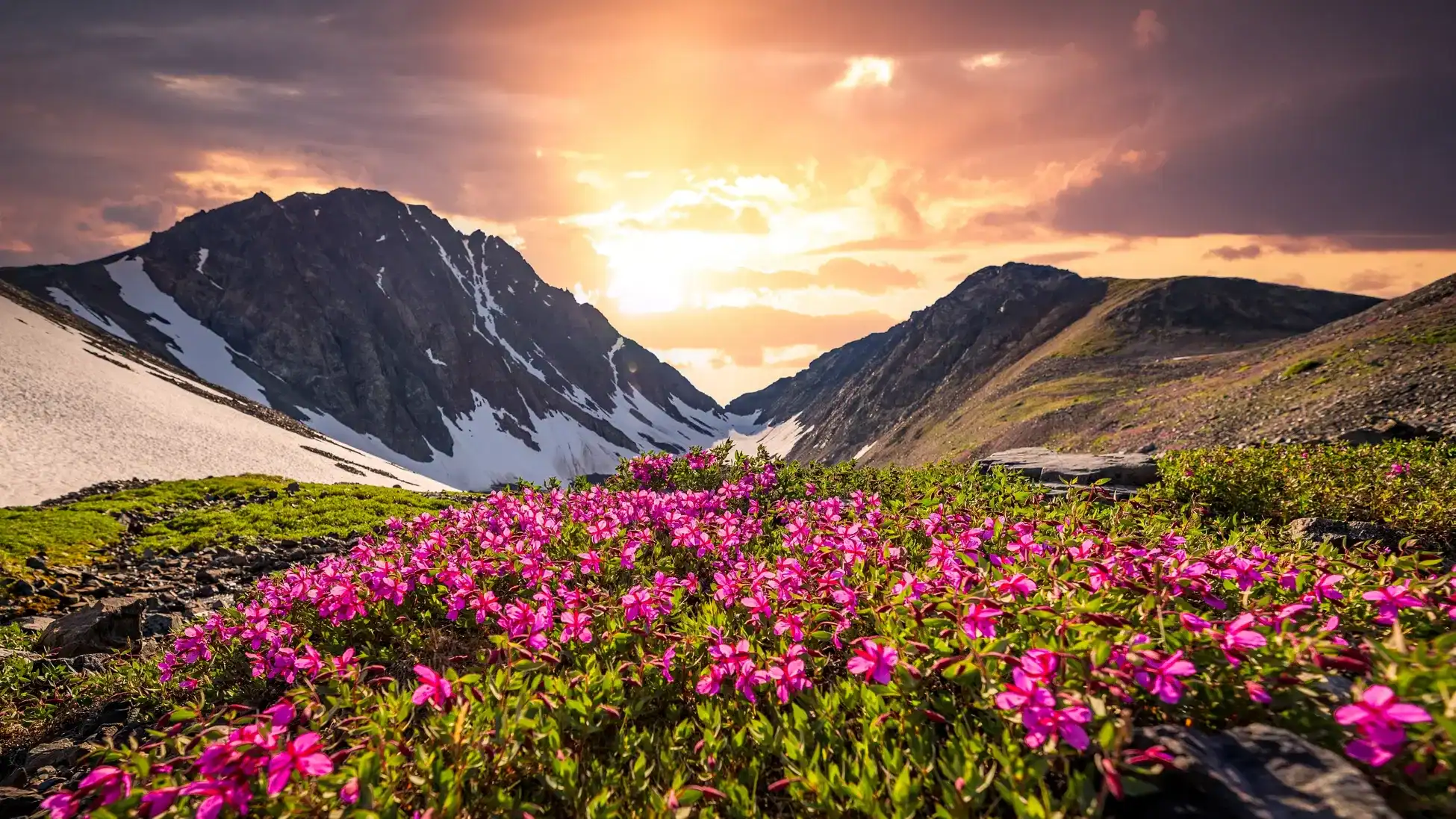
Imagine stepping into a world where the vibrant greens of rhododendron forests blend seamlessly with the rugged beauty of the Himalayas. The Dzongri Trek in West Sikkim is a sensory feast, where each day unveils new layers of natural splendor. As you traverse the lush meadows, the scent of wildflowers mingles with the crisp mountain air, creating an unforgettable olfactory experience. The trek's moderate difficulty makes it accessible to those with a decent level of fitness, yet it offers enough challenge to keep you engaged. The best moments? Crossing the swaying suspension bridges over roaring rivers, and the panoramic views of Kanchenjunga from the summit. This trek suits those who crave scenic beauty and a touch of adventure, offering a perfect blend of ease and exhilaration. Physically, expect daily hikes of 6-10 km with gradual altitude gains, and emotionally, prepare for a journey that will leave you rejuvenated and inspired.
Key Facts
Why Trekkers Love It
- 01Spectacular views of Kanchenjunga, the third highest mountain in the world.
- 02Diverse ecosystems ranging from subtropical forests to alpine meadows.
- 03Cultural encounters with local Sikkimese villages and monasteries.
- 04Opportunity to witness the unique biodiversity of the Eastern Himalayas.
More Photos
Photo Gallery
5 photosWhen to Go
Monthly Climate Guide
Best months to trek: Apr, May, Oct, Nov. Avoid Jun, Jul, Aug — heavy rainfall makes trails risky.
Apr
BESTPleasant
8–20°C
May
BESTBest Season
12–25°C
Sep
NOWPost-Monsoon
10–20°C
Oct
BESTBest Season
5–18°C
Nov
BESTCold
0–12°C
Getting There
How to Reach
Nearest Airport
Bagdogra Airport, Siliguri, 124 km
Nearest Railway
New Jalpaiguri Railway Station, 114 km
Flight to Bagdogra, then 3-hour drive, ₹8,000-₹12,000
Train to New Jalpaiguri, then 3-hour drive, ₹1,500-₹3,000
Direct bus to Geyzing, 30 hours, ₹1,000-₹2,000
Flight to Bagdogra, then 3-hour drive, ₹10,000-₹15,000
Train to New Jalpaiguri, then 3-hour drive, ₹2,000-₹4,000
Direct bus to Geyzing, 40 hours, ₹1,500-₹3,000
Flight to Bagdogra, then 3-hour drive, ₹12,000-₹18,000
Train to New Jalpaiguri, then 3-hour drive, ₹2,500-₹5,000
Direct bus to Geyzing, 45 hours, ₹2,000-₹4,000
Last Mile to Base Camp
Shared jeep or local bus from Geyzing to Yuksom, 2 hours, ₹100-₹200
Pro tip: Book your transport and accommodations in advance, especially during peak season.
Costs
Budget Breakdown
Trek costs ₹10,000–₹25,000 depending on your style and whether you hire a guide
Mid-Range Trek
Guide + porter, comfortable guesthouses
per day
₹2,500 – ₹3,333 per day
Prices are estimates for 2025–26. Costs vary by season and group size.
Preparation
Pack & Stay Safe
What to Pack
clothing
- Down jacket
- Fleece jacket
- Thermal inner × 2 sets
- Waterproof jacket & pants
- Trekking pants × 2
- Woolen gloves & cap
footwear
- Trekking boots with ankle support
- Gaiters (recommended if snow)
- Woolen socks × 4–5 pairs
- Camp shoes
equipment
- 50–60L backpack
- Sleeping bag rated −10°C
- Trekking poles
- Headlamp + spare batteries
- Water bottles 2 L
essentials
- Sunscreen SPF 40+
- Sunglasses (UV400)
- Altitude medication
- First-aid kit
- Energy snacks & nuts
Safety Tips
- 1Permit required
Permit & Entry Info
Restricted Area Permit required for all treks. Obtain from Sikkim Tourism office in Gangtok or at Mangan checkpost. Additional TIMS card needed for Goecha La.
Emergency Contacts
Sikkim Police Emergency
STNM Hospital Gangtok
Sikkim Tourism Helpline
Common Questions
Frequently Asked Questions
The Dzongri Trek is rated as moderate in difficulty. Daily hikes range from 6-10 km with gradual altitude gains, making it suitable for trekkers with a decent level of fitness.
The best months for the Dzongri Trek are April, May, October, and November. These months offer clear skies, pleasant weather, and the best chances to see Kanchenjunga.
The cost of the Dzongri Trek ranges from ₹10,000 to ₹25,000, depending on your style, whether you hire a guide, and the type of accommodation you choose.
Yes, a permit is required for the Dzongri Trek. The permit can be obtained from the Forest Department in Gangtok and costs around ₹1,500.
While the Dzongri Trek is moderate in difficulty, it is not recommended for absolute beginners. Some trekking experience and a decent level of fitness are advisable.
The maximum altitude of the Dzongri Trek is 4,200 meters. Altitude sickness is a possibility, so it's important to acclimatize properly and listen to your body.
Essential items include a good trekking pole, layers of clothing, a waterproof jacket, sturdy trekking boots, a first aid kit, and a water filtration system.
The nearest city is Geyzing. From Geyzing, you can take a shared jeep or local bus to Yuksom, the base camp, which is about 2 hours away.
The total distance of the Dzongri Trek is approximately 50 km, with daily distances ranging from 6-10 km.
While it's possible to do the Dzongri Trek without a guide, it is highly recommended to hire one for safety, local knowledge, and a richer experience.
During the best trekking months (April, May, October, November), daytime temperatures range from 10-20°C, while nights can drop to 0-5°C.
Mobile network is limited and unreliable at the base camp. There are no ATMs, so it's advisable to carry enough cash for the trek.
Have more questions? Use the AI planner above for personalised answers.
Similar Treks You Might Like
More adventures with similar difficulty and terrain


Planning Dzongri Trek?