About the trek
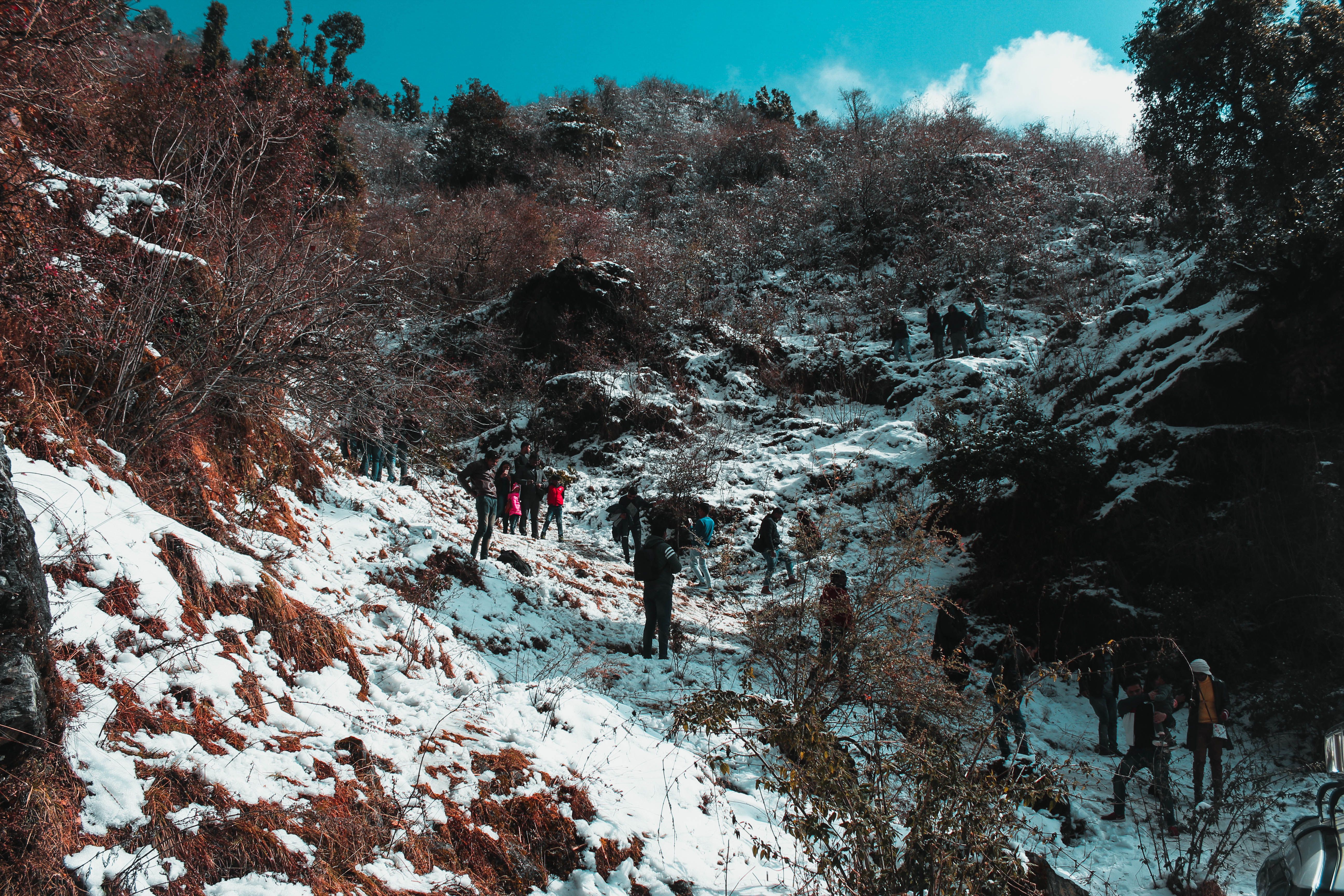
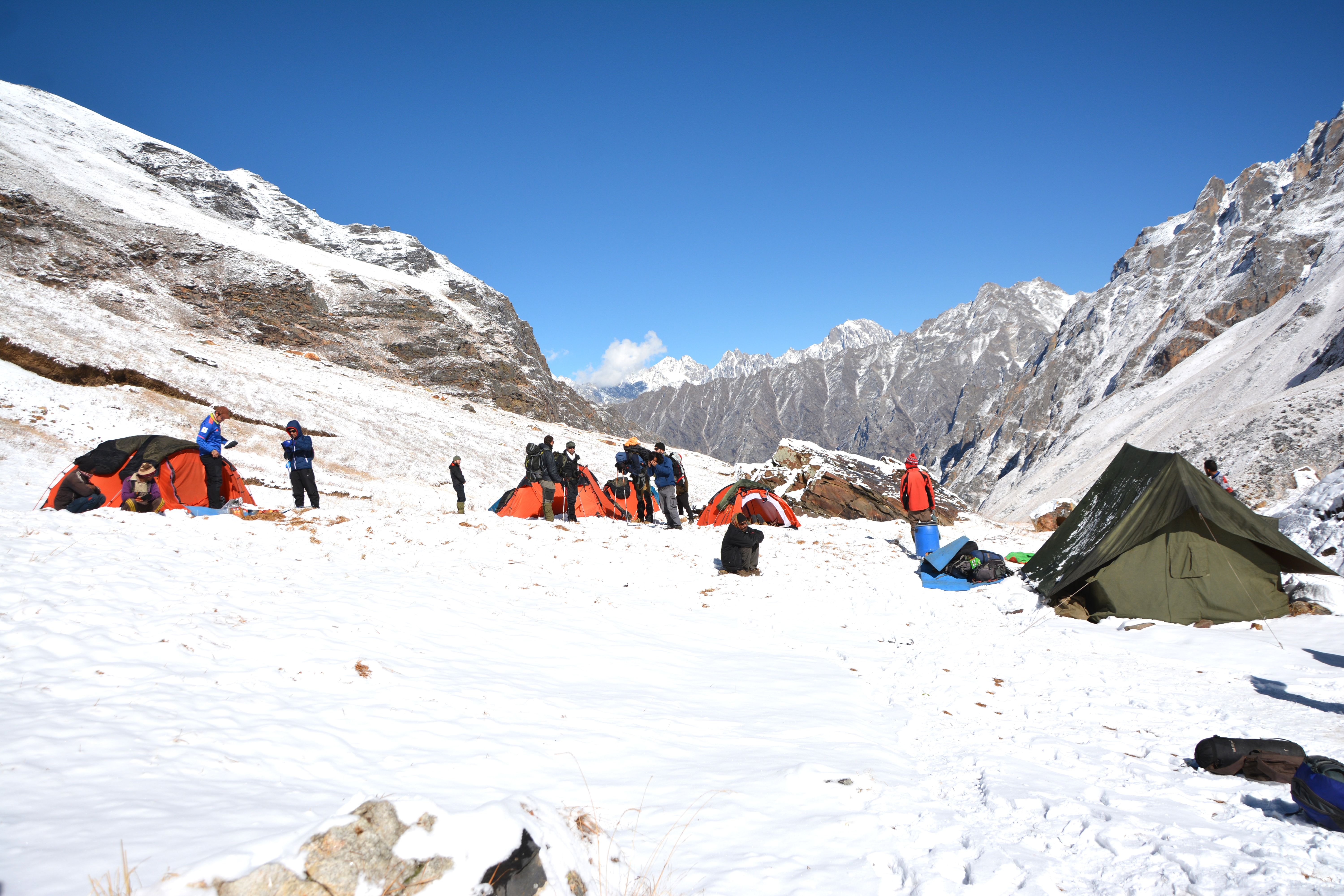
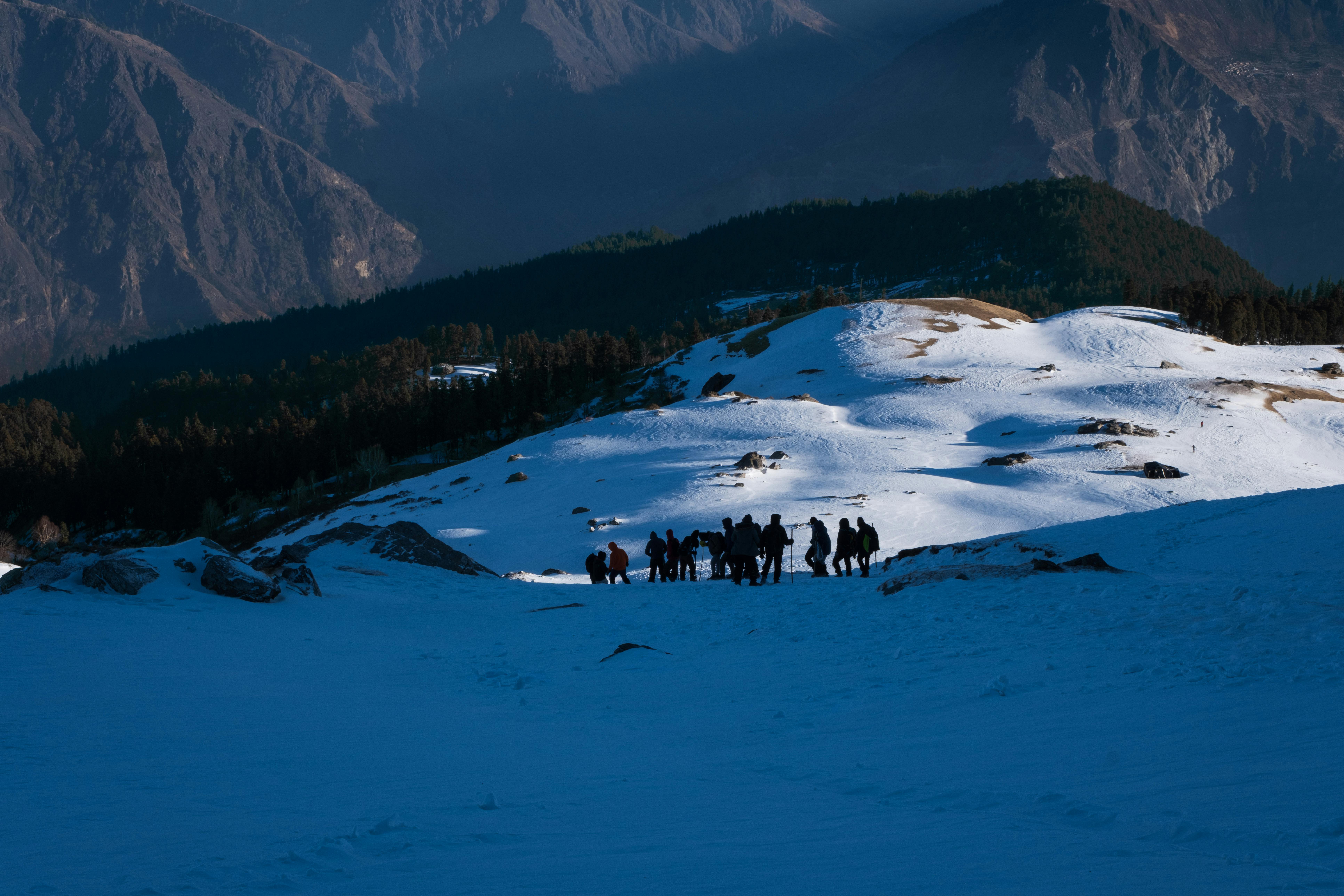
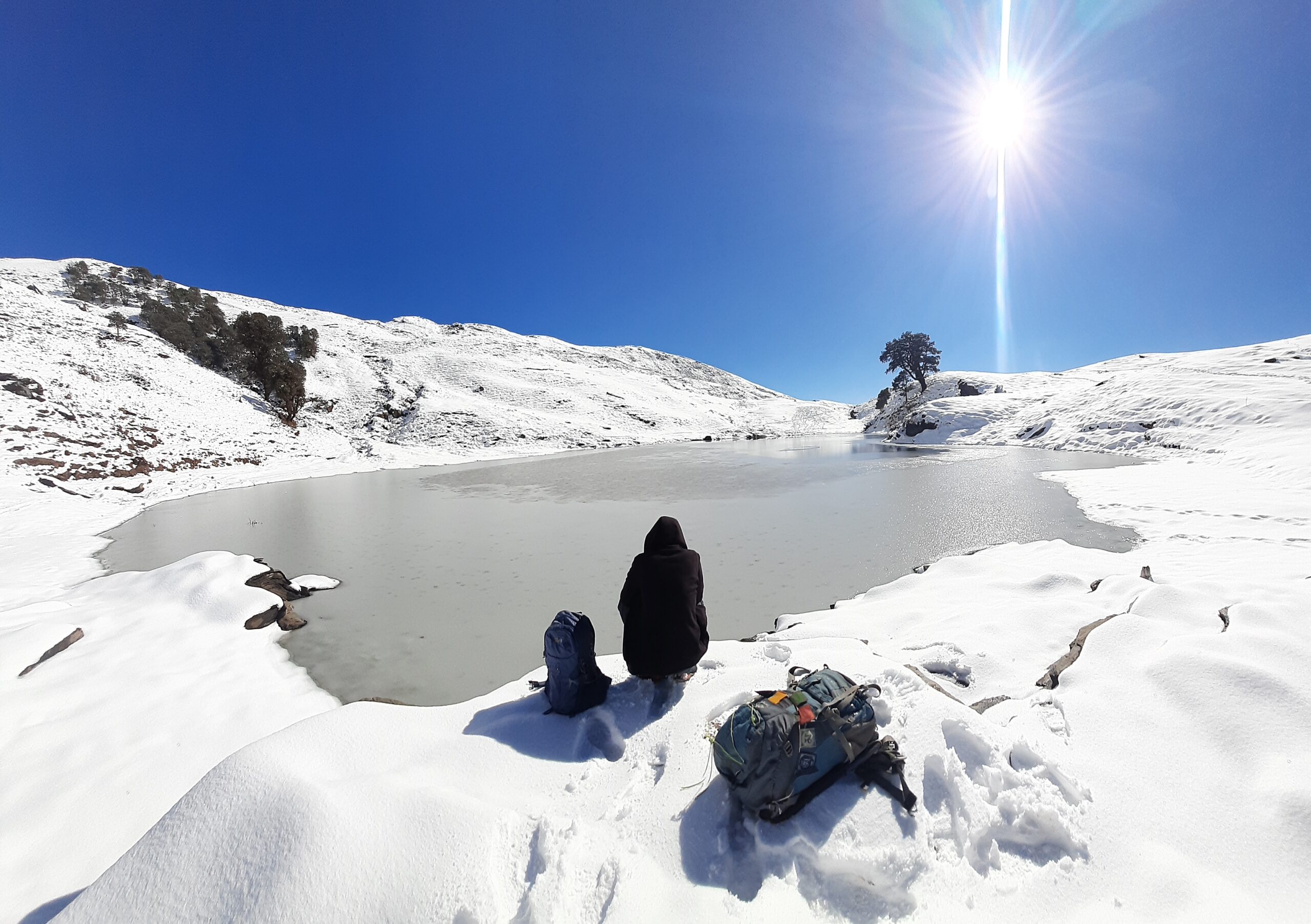
Imagine waking up to a blanket of pristine snow, the crisp air biting at your cheeks as you take in the panoramic views of the Lesser Himalayas. The Nag Tibba Trek, the highest peak of the Lesser Himalayas and the closest high-altitude trek to Delhi-NCR, offers a winter wonderland that beckons urban adventurers. As you ascend, the trail reveals a tapestry of snow-laden trees and frozen lakes, each step crunching under the weight of fresh snow. The trek's unique charm lies in its winter landscape, where every turn offers a new perspective of the snow-capped peaks. Best suited for those who crave the thrill of snow camping under crystal-clear skies, this trek is an emotional and physical journey that etches memories of serenity and adventure into your soul.
Key Facts
Why Trekkers Love It
- 01Closest high-altitude trek to Delhi-NCR, perfect for weekend escapes.
- 02Winter landscape with snow-laden trails and frozen lakes.
- 03Opportunity for snow camping under crystal-clear skies.
- 04Relatively easy terrain, making it ideal for first-time trekkers.
More Photos
Photo Gallery
5 photosDay by Day
The Route
Route & Itinerary
Pantwari
🚩 Starting Point
Forest Camp
Waypoint 1
Nag Tibba Summit
▲ Highest Point
Pantwari
🏁 End Point
Altitude
Elevation Profile
Pantwari
1,650m
Forest Camp
2,400m
Nag Tibba Summit
3,022m
Pantwari
1,650m
Start
1,650m
Peak
3,022m
Total Gain
+1,372m
When to Go
Monthly Climate Guide
Best months to trek: Mar, Apr, May, Sep, Oct, Nov, Dec. Avoid Jun, Jul, Aug — heavy rainfall makes trails risky.
Mar
BESTOpening
2–15°C
Apr
BESTPleasant
8–20°C
May
BESTBest Season
12–25°C
Sep
NOWPost-Monsoon
10–20°C
Oct
BESTBest Season
5–18°C
Nov
BESTCold
0–12°C
Dec
BESTSnowy
-5–5°C
Getting There
How to Reach
Nearest Airport
Jolly Grant Airport, Dehradun, 60 km
Nearest Railway
Dehradun Railway Station, 45 km
Flight to Dehradun, then shared cab/bus, ₹1,500, 3 hours
Train to Dehradun, then shared cab, ₹1,000, 5 hours
Direct bus/car, 5 hours, ₹500 (bus), ₹3,000 (car)
Flight to Dehradun, then shared cab/bus, ₹8,000, 3 hours
Train to Dehradun, then shared cab, ₹2,000, 24 hours
Direct bus/car, 24 hours, ₹2,000 (bus), ₹10,000 (car)
Flight to Dehradun, then shared cab/bus, ₹10,000, 3 hours
Train to Dehradun, then shared cab, ₹3,000, 36 hours
Direct bus/car, 36 hours, ₹3,000 (bus), ₹15,000 (car)
Last Mile to Base Camp
Shared jeep or local bus from Dehradun to Nag Tibba, 1.5 hours
Pro tip: Check weather conditions before setting out, especially in winter.
Costs
Budget Breakdown
Trek costs ₹5,000–₹15,000 depending on your style and whether you hire a guide.
Mid-Range Trek
Guide + porter, comfortable guesthouses
per day
₹2,500 – ₹3,750 per day
Prices are estimates for 2025–26. Costs vary by season and group size.
Preparation
Pack & Stay Safe
What to Pack
gear
- Trekking poles
- Small backpack
clothing
- Warm jacket
- Trekking pants
- Comfortable trekking shoes
essentials
- Water bottle
- Sunscreen
- Trail snacks
Safety Tips
- 1Perfect for first-timers — trail is well-marked
- 2Can be done as a solo weekend trek from Delhi
Permit & Entry Info
No permits required.
Emergency Contacts
Mussoorie Sub-District Hospital
Common Questions
Frequently Asked Questions
The Nag Tibba Trek is classified as easy, with a gradual ascent and well-marked trails. The altitude gain is moderate, and the daily distance is around 6-7 km, making it suitable for beginners.
The best months to trek Nag Tibba are March, April, May, September, October, November, and December. These months offer clear skies and stable weather, ideal for trekking.
The cost of the Nag Tibba Trek ranges from ₹5,000 to ₹15,000, covering transport, food, permits, and guide fees. Prices vary based on the style of trek and whether you hire a guide.
Yes, a permit is required for the Nag Tibba Trek. The cost is around ₹200 per person, and it can be obtained from the forest department office in Dehradun.
Yes, the Nag Tibba Trek is suitable for beginners due to its easy difficulty level and well-marked trails. It's an ideal first Himalayan trek for urban adventurers.
The maximum altitude of Nag Tibba Trek is 3022m. While altitude sickness is rare, it's advisable to acclimatize properly and stay hydrated.
Essential items include warm clothing, waterproof jacket, trekking poles, comfortable shoes, headlamp, snacks, and a first-aid kit. Don't forget your camera to capture the stunning winter landscapes.
The nearest city is Dehradun. From Dehradun, you can take a shared cab or bus to Nag Tibba, which is about 45 km away. The journey takes around 1.5 hours.
The total distance of the Nag Tibba Trek is around 14 km, with a daily breakdown of 6-7 km each day.
While it's possible to trek without a guide, it's recommended to hire one for safety, especially if you're a beginner. The trails are well-marked, but a guide can enhance your experience with local insights.
During the best trekking months, daytime temperatures range from 5°C to 15°C, while night temperatures can drop to -5°C. Layered clothing is essential.
Mobile network is available at the base camp, but it's limited higher up the trail. There are no ATMs at the base camp, so carry sufficient cash for expenses.
Have more questions? Use the AI planner above for personalised answers.
Similar Treks You Might Like
More adventures with similar difficulty and terrain


Planning Nag Tibba Trek?