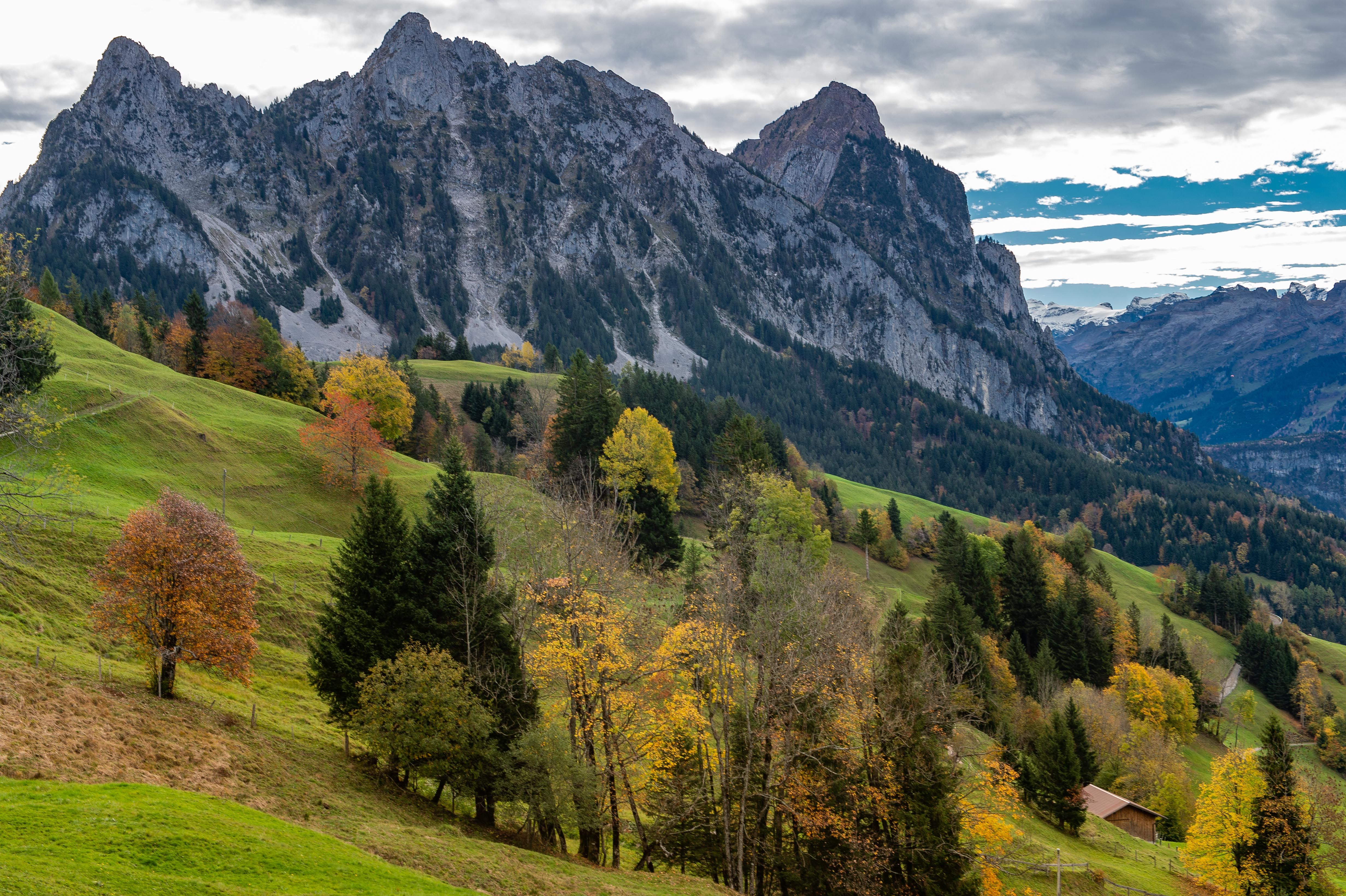
Alps · Glacier Express, Chai & Schilthorn Summit
Switzerland: The Alps of Wonder
My Switzerland travel guide: Glacier Express, chai, and Schilthorn summit.
Plan This Trek — FreeDavid Okafor
African Diaspora & World Culture Writer
I stepped off the Glacier Express, the mist curling around my boots, and breathed in the crisp Alpine air.
The journey from Chur to Zermatt took forever, but every minute was worth it. The train snaked through dramatic landscapes, each turn more stunning than the last. By the time I reached Zermatt, I was already in love. The town was small but brimming with character. My guesthouse, Chez Victoire, was run by an elderly woman named Victoire herself. She greeted me with a warm smile and shared that locals preferred eating at 'Café de la Gare', hidden away on a quiet alley.
Subhead about the essence of Switzerland
Switzerland is where the Alps meet the soul.
Switzerland isn’t just about stunning landscapes; it's about the soul. I learned that the country has the highest number of professional chocolatiers per capita, a fact that will forever change how I think about Swiss desserts. The country’s history of neutrality and peace is woven into its very fabric. It’s a place where time slows down, and every moment is savored. One unexpected discovery was the prevalence of public urinals, a quirk that I was both surprised and amused by.
Something I wish I'd known before arriving
Swiss trains can be booked up to 3 months in advance for the best prices and seats, around ₹5,000 per ticket.
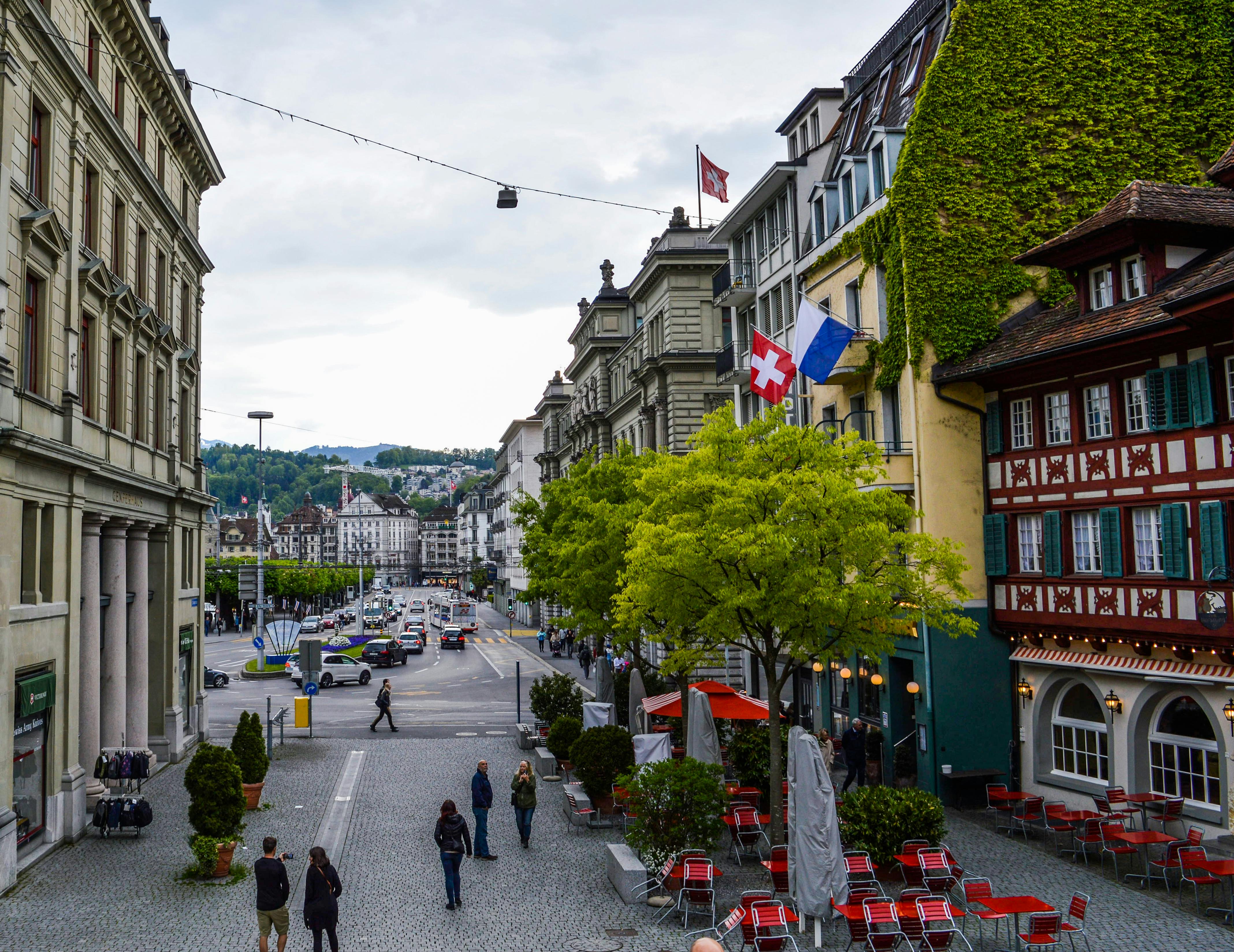
I stood in awe as the Glacier Express journeyed through the snow-capped peaks.
Subhead about food, a neighbourhood, or one defining experience
Zermatt's hidden gem: the morning chai at 6am.
The first thing I did in Zermatt was find the café Victoire mentioned. 'Café de la Gare' was a tiny, unassuming place, but the chai there was unparalleled. It was aromatic, sweet, and perfectly spiced. I sat at a window table, watching the morning light dance on the Matterhorn. The chai was ₹300, a small price for such a delightful start to the day. The café’s charm lay in its simplicity, a perfect reflection of the town itself.
Zermatt was full of surprises. One evening, I stumbled upon a small, family-run bakery that offered fresh bread and pastries for ₹200–₹300 a piece. The quality and taste were exceptional, a stark contrast to the high prices in tourist areas. It was a reminder that the best experiences often come from the unexpected.
What I didn't expect — and wish someone had told me
Swiss prices are high, especially in tourist areas. Always budget for unexpected expenses. I ended up paying ₹1,500 for a simple meal in a crowded tourist spot.
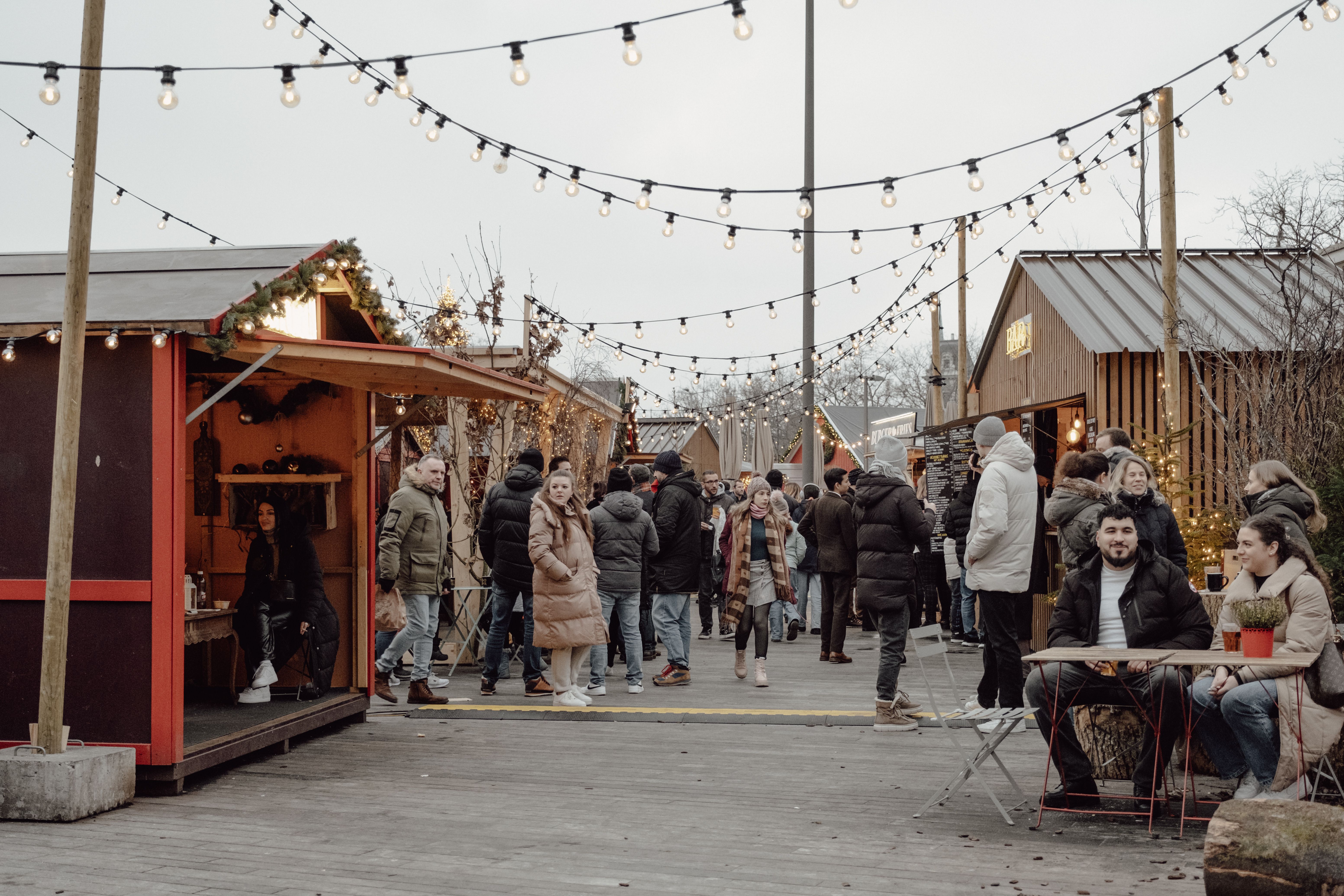
The morning mist over Zermatt was magical, a sight that felt like a dream.
Subhead about getting there, getting around, or where to stay
Travelling around Switzerland is an adventure in itself.
Flying into Zurich was a smooth experience, but the real adventure began on the trains. The Swiss Travel Pass is a lifesaver, offering unlimited travel on trains, buses, and boats for a fixed period. I spent ₹10,000 on a 10-day pass, which covered my travel from Zurich to Zermatt and back. Staying in guesthouses like Chez Victoire was a delight; they were cozy, personal, and offered insights into local life.
Where I'd stay next time (and why)
- 01Budget (₹3,000–₹5,000/night): Chez Victoire — Warm, personal, and right in the heart of Zermatt.
- 02Mid-range (₹6,000–₹8,000/night): Hotel Beausite — Offers stunning views of the Matterhorn and great amenities.
- 03Splurge (₹10,000+/night): The Omnia — Luxurious, with impeccable service and a prime location.
How to book getting there (and what I'd do differently)
Book your train tickets through the Swiss Federal Railways website at least 3 months in advance to get the best prices and seats. I’d also recommend purchasing the Swiss Travel Pass online for added convenience.
Closing subhead — a reflection or the trip's final moment
I left Switzerland with a heart full of memories.
My final morning in Switzerland was spent on the Schilthorn summit. The hike was challenging, but the view from the top was indescribable. The Alps stretched out before me, a blanket of white snow under the golden morning sun. I sat there, a sense of peace washing over me. Switzerland was more than a destination; it was an experience that changed me.
How many days do I actually need in Switzerland?
A minimum of 5 days is essential to see the highlights, but ideally, 10 days allows for a more relaxed exploration of both the cities and the mountains.
Is Switzerland good for solo travellers?
Absolutely. Switzerland is safe, well-connected, and offers numerous opportunities to meet fellow travellers. From hostels to guesthouses, there are plenty of options for solo adventurers.
What I packed that actually mattered
Layered clothing
to adapt to varying temperatures
Good hiking boots
essential for Alpine treks
Reusable water bottle
Switzerland’s tap water is excellent
Swiss Travel Pass
for unlimited travel on public transport
Daypack
for day trips and hikes
Camera
to capture the stunning landscapes
Swiss Francs
for cash transactions in some areas
Travel insurance
always a good idea when exploring new places
'Enjoy the small moments, they are the essence of Switzerland.' — Hans, Café de la Gare owner, Zermatt
Watch Before You Go
Hand-picked searches — click to find the best vlogs on YouTube.
On Instagram
Real photos and reels from travellers who've been there.
Browse #SwitzerlandDiaries
See real trek photos & reels
#switzerland travel guide·#best time to visit switzerland·#switzerland glacier express·#switzerland chai experience·#schilthorn summit switzerland·#zermatt travel tips·#switzerland travel budget
AI Trip Planner
Plan your Switzerland trip
in 30 seconds — free
Day-by-day itinerary, hotels, transport and budget — personalised by AI.