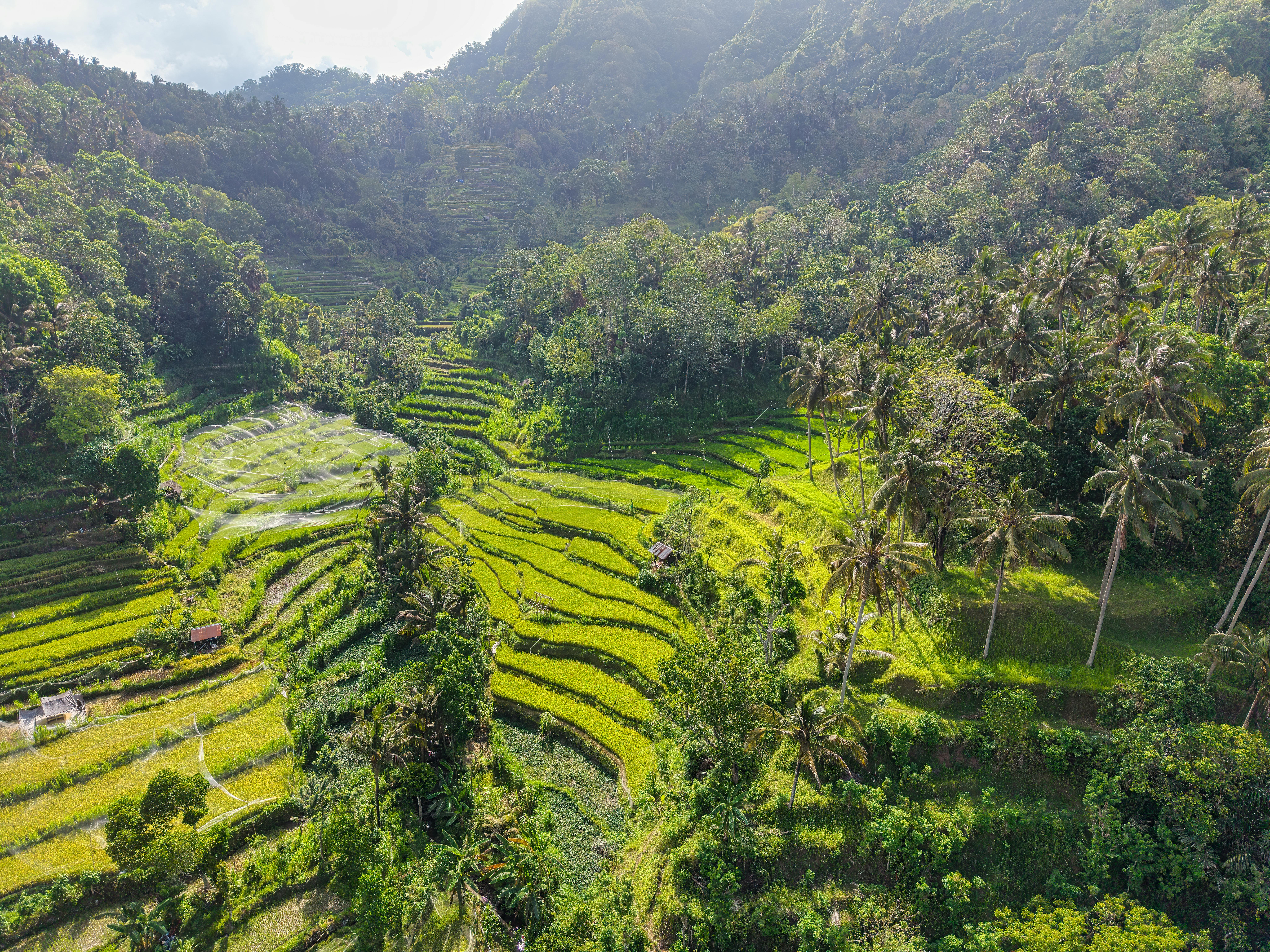
Bali · Pura Besakih, Babi Guling, Ocean Breeze
Bali: The Spirit of Tranquility
Discover Bali's serene beauty and vibrant culture in this travel guide.
Plan This Trek — Free
Nadia Petrova
Eastern Europe & Central Asia Explorer
The moment I stepped off the plane in Denpasar, the humid air was like an old friend, wrapping around me with a familiarity I couldn’t quite place.
The auto-rickshaw ride to my guesthouse in Ubud felt like a journey through time, past rice paddies and into the heart of a world untouched by the chaos of modern life. My guesthouse owner, Pak Ibu Sri, greeted me with a warm smile and led me to a room overlooking the valley. Before I could unpack, I felt drawn to the sounds of the brook, a melody I knew I would never forget.
Bali’s Timeless Rhythm
Bali is a living tapestry of history, spirituality, and nature.
Every corner of Bali tells a story, from the ancient temples to the serene rice terraces. One fact most visitors don’t know is that the island’s calendar is based on a 210-day cycle, a unique blend of solar and lunar calendars that governs everything from planting rice to temple ceremonies. It’s a rhythm that permeates every aspect of life here, creating a sense of timelessness that is both captivating and comforting.
Start your day at 5am
Head to the Tirta Empul temple for a ritual purification. It costs ₹500 and gives you a front-row seat to local life.
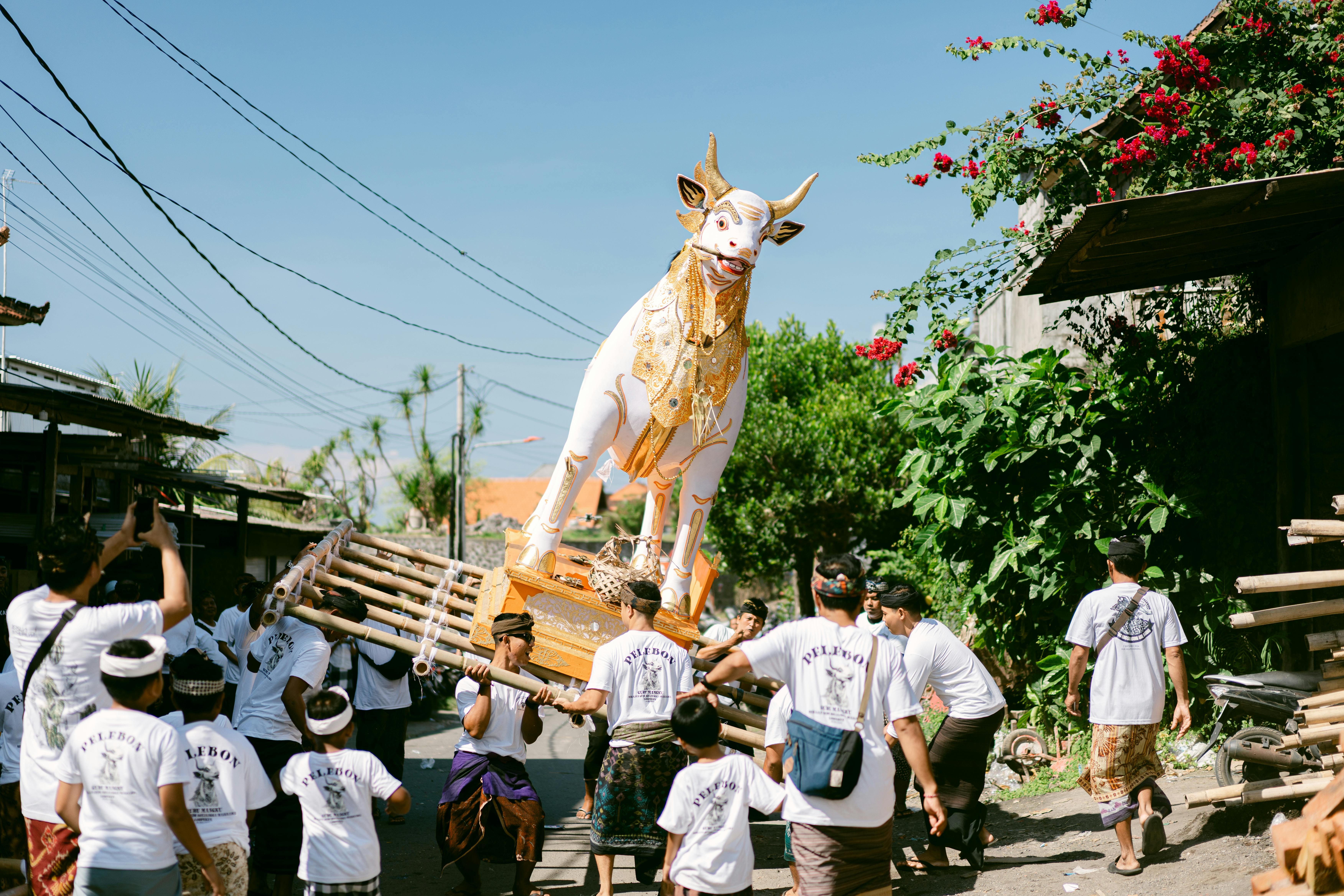
The Tirta Empul temple at dawn, a moment of pure tranquility.
A Taste of Heaven
Bali’s culinary landscape is as diverse as its culture.
In Ubud, I discovered Babi Guling, a spit-roasted pig dish that is the epitome of Balinese gastronomy. At Warung Ibu Oka, I ordered a plate for ₹1,200, and the rich, succulent flavors were unlike anything I had ever tasted. The experience was made even more memorable by the sight of the chef skillfully preparing the dish in a traditional brazier, a practice that dates back centuries.
One surprising observation was the popularity of street food. While I expected to find fine dining at every corner, I found that the local vendors offered some of the most authentic and delicious meals. A bowl of Nasi Campur at a roadside stall cost me just ₹200, but it was a feast of flavors that I will never forget.
Avoid tourist traps in Kuta
Stick to local markets for the best deals and authentic experiences. Kuta can be overwhelming with overpriced souvenirs and crowded beaches.
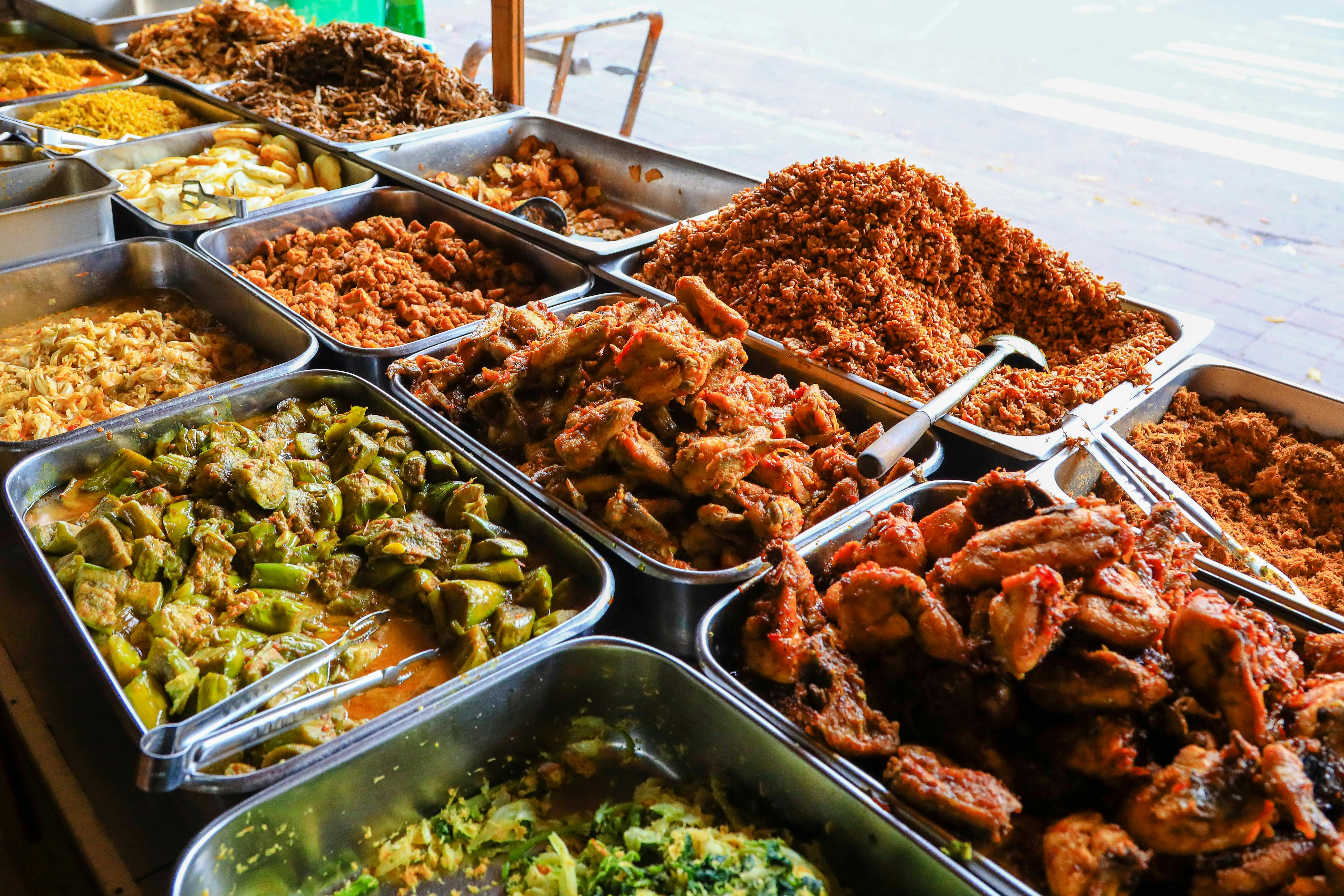
A local vendor selling fresh fruits at a market, a vibrant glimpse into daily life in Bali.
Navigating the Island
Getting around Bali is an adventure in itself.
I flew from Denpasar to Bali’s capital for ₹15,000, which took about 6 hours. For local travel, I used Gojek, a ride-hailing app that is incredibly convenient and affordable. Staying in Ubud, I found that renting a scooter for ₹800 a day was the best way to explore the island. My guesthouse, Puri Ubud, was perfect for its central location and the friendly staff who went out of their way to make my stay comfortable.
Where I'd stay next time (and why)
- 01Budget (₹2,000–₹3,000/night): The Green Village — Affordable yet charming with a serene atmosphere.
- 02Mid-range (₹5,000–₹8,000/night): Amarta Villas — Offers stunning views and personalized service.
- 03Splurge (₹15,000+/night): The Udaya Resorts and Spa — Luxurious with breathtaking rice terrace views.
How to book getting there (and what I'd do differently)
Book your flight at least 3 months in advance to get the best price. I recommend flying with Garuda Indonesia for their excellent service and punctuality.
A Farewell to the Island
Leaving Bali was like stepping out of a dream.
As I boarded my flight back home, I couldn’t help but feel a sense of loss. Bali had changed me in ways I couldn’t yet fully understand. The final image that stayed with me was the sight of the sun setting over the ocean, casting a golden glow over the water and leaving me with a sense of peace and gratitude.
How many days do I actually need in Bali?
A minimum of 5 days is essential to explore the major attractions and get a feel for the local culture. Ideally, 10 days allows you to immerse yourself fully in the island’s tranquility and beauty.
Is Bali good for solo travellers?
Absolutely! Bali is incredibly safe and offers plenty of opportunities to meet fellow travelers. From surfing lessons to yoga retreats, there’s something for everyone. Just be mindful of your belongings and follow local customs.
What I packed that actually mattered
Lightweight, breathable clothing
Perfect for the tropical climate.
A good pair of walking shoes
Essential for exploring temples and rice terraces.
A reusable water bottle
Staying hydrated is crucial in the heat.
A small daypack
Useful for daily excursions and carrying snacks.
Insect repellent
Protects against mosquito bites, especially in rural areas.
Sunscreen
The sun is strong, even on cloudy days.
A travel-sized first aid kit
For minor injuries or ailments.
A journal
To capture the thoughts and experiences of your journey.
'Bali is not just a place, it’s a feeling.' — Pak Ibu Sri, guesthouse owner, Ubud
Watch Before You Go
Hand-picked searches — click to find the best vlogs on YouTube.
On Instagram
Real photos and reels from travellers who've been there.
Browse #BaliDiaries
See real trek photos & reels
#bali travel guide·#best time to visit bali·#balinese culture·#balinese food·#balinese temples·#balinese beaches·#balinese adventure
AI Trip Planner
Plan your Bali trip
in 30 seconds — free
Day-by-day itinerary, hotels, transport and budget — personalised by AI.